Assessing a Birthday Boy T-Shirt Graphic for Real Client Projects
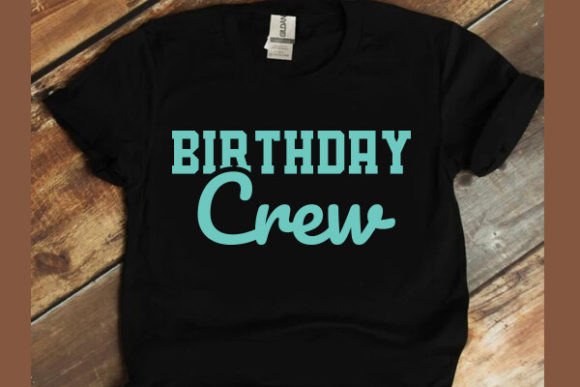
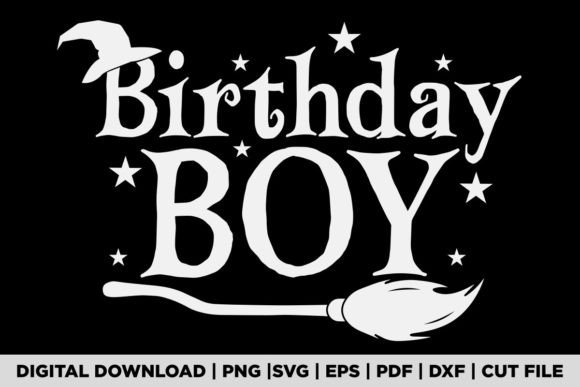
When a new graphic lands on my desk, the first question isn't about its technical specs, but about its soul. Does this design have the right character for the story we need to tell? Today’s subject: the Birthday Boy T-shirt graphic. This isn’t just another digital product; it’s a potential key to unlocking a playful, celebratory mood in a client’s project. My immediate impression is one of joyful celebration. The typography and illustrative elements feel crafted for festivity, representing a style that is bold, friendly, and unapologetically fun.
Finding the Right Project Fit for This Celebration Design
This graphic asset naturally fits clients and projects centered around personal celebration, childhood, and lighthearted branding. Imagine a boutique toy shop launching a birthday collection, a local bakery promoting custom cake toppers, or a mother crafting personalized party kits for her Etsy shop. The Birthday Boy graphic isn’t for corporate annual reports; it’s for projects where emotion and connection are paramount. It speaks directly to handmade businesses and seasonal campaigns looking to create a warm, inclusive visual mood.
Performance Across Real-World Design Applications
In practical use, this design’s versatility across file formats—including a high-resolution PNG, scalable SVG, EPS, DXF, and PDF—means it can adapt. For a t-shirt design or sublimation project, the vector files ensure crisp edges on fabric. As a sticker design or for Cricut projects, the clean paths allow for precise cutting. In marketing visuals, like posters or flyers for a birthday event, the graphic can serve as a dominant hero element. For digital sellers creating Canva templates or social media graphics, the PNG with transparency can be layered seamlessly to create engaging Instagram posts or Pinterest pins. It could even anchor a small business’s packaging design for a limited-edition birthday product line, adding a decorative accent that elevates the unboxing experience.
The Design’s Strengths in Large Format and Themed Collections
This asset works best where its personality can shine. Use it in large layout areas: as a central graphic on a party invitation, a full-wrap illustration on a product mockup for a mug or tote bag, or as a large-scale backdrop for a website’s seasonal campaign page. Its elements are ideal for building themed collections; you could extend the visual language to companion designs for banners, digital ads, and printable wall art, creating a cohesive campaign. As a supporting brand element for a playful brand identity, it can increase emotional appeal and audience engagement, making the brand feel approachable and trustworthy in its niche.
Considerations for Layout and Visual Hierarchy
However, a professional designer must also note where to use this asset carefully. In small sizes, such as tiny icons on a crowded web page, the detailed celebratory elements may lose impact and become visually noisy. On complex or low-contrast backgrounds, readability could suffer unless the graphic is isolated or given a solid backdrop. For projects demanding minimalist branding or very clean visual hierarchy, this graphic might compete with essential information. It is not suited for professional corporate materials where a neutral tone is required. The key is to let it lead when celebration is the core message, not to force it into roles where it becomes mere decoration.
Impact on Brand Consistency and Professional Polish
Integrating such a distinct graphic into a client’s project affects the entire visual ecosystem. Its strong stylistic voice can define the mood, boosting recognition and engagement for a targeted audience. For a creative marketplace seller or print-on-demand business, using this asset can make their product line feel more polished and complete. However, it must align with the existing brand voice. If the client’s other materials use sleek sans-serif fonts and muted colors, this bold birthday design could create inconsistency. The designer’s job is to judge whether this asset enhances the overall impression or introduces a conflicting visual dialect.
Essential Practical Checks Before Commercial Use
Before committing this graphic to a real client project, I run a series of practical tests. First, I preview it at both small and large sizes to ensure the design holds its integrity. I test it in black and white to evaluate its form without color, which is crucial for any potential single-color print applications. Checking contrast on both light and dark backgrounds confirms its adaptability in different layout scenarios. Placing it on real mockups—a t-shirt, a mug, a poster—gives a true sense of its final presence. For print quality, the provided 4500×5400 PNG at 300 dpi is a strong starting point, but I always confirm the vector SVG and EPS files are truly editable and scalable for specific sizing needs.
Comparing the design’s typographic style with other font families—serif, sans-serif, script—helps me understand if it can coexist with client copy. Finally, and most critically, I confirm the commercial licensing. Using a design asset for a client’s business or commercial design project requires clear rights. The bundled file set in a ZIP folder is convenient, but the license is what permits professional use.
A Final Judgment for the Creative Professional
The Birthday Boy T-shirt graphic, as a piece of commercial design, is a specialized tool. It won’t solve every design problem, but for the right project—a festive brand extension, a personalized product launch, a community event campaign—it can be the element that transforms a generic layout into a memorable celebration. Its value lies in its ready-made mood and the technical flexibility offered by its multiple file formats. For designers, brand owners, and content creators working in spaces that celebrate life’s joyful moments, this asset is more than clipart; it’s a building block for authentic, engaging visual storytelling.