A Designer's Practical Look at the May 1st Labor Day SVG
The Initial Impression: Solid, Simple, and Clear
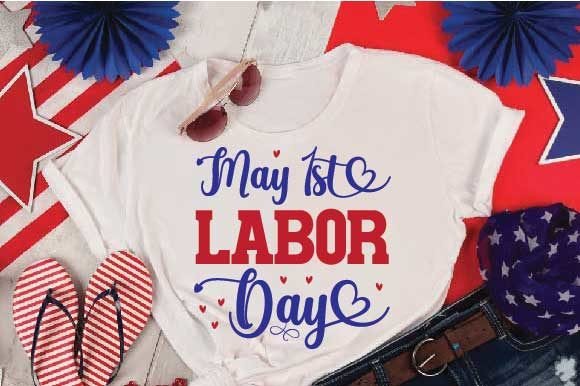
When you first open the May 1st Labor Day SVG, the mood is straightforward and respectful. It’s not overly flashy or dense. The layout feels balanced, with the date prominently featured, which creates a visual personality of recognition and celebration. For an embroidery project, this translates well. It’s a design that naturally belongs on items meant for a specific, meaningful occasion—think a custom embroidered cap for a union member or a simple pillow cover as a gift for someone who values the day’s significance.
Where This Design Excels in Real Embroidery Projects
In my hands, thinking about a real-life scenario like preparing a batch of embroidered tote bags for a small shop’s Labor Day promotion, this design’s strengths become clear. The likely simplicity of the shapes—the numbers and text—means it won’t require an excessive number of thread colors or become a stitch density nightmare. This is a huge plus for efficiency in a craft business. It would stitch out cleanly on a variety of substrates.
I envision it working beautifully on:
- Custom apparel like polo shirts or simple t-shirts for events.
- Tote bags and aprons as practical, everyday commemorative items.
- Baby clothes or blankets as a personalized gift from a parent in a particular profession.
- As an embroidered patch, it could be easily applied to jackets or backpacks.
- Pillow covers or tea towels for subtle holiday home decor.
The design’s clarity enhances product value; it looks intentional and professional, which builds customer trust. For an Etsy seller creating holiday embroidery gifts, this kind of clean, recognizable design often has better buyer engagement than overly complex ones. It’s instantly understood.
Careful Application: Where to Pay Attention
No design is perfect for every scenario, and a practical review must note where the May 1st Labor Day SVG might need careful handling. The potential for small lettering or detailed corners in the date "May 1st" is the main concern.
You should use it carefully on:
- Very small hoop sizes. If the design is scaled down too much for a tiny baby embroidery on a hat, the details might blur.
- Textured fabrics like thick sweaters or loosely woven linens. Fine details can get lost.
- Stretchy fabric without the proper stabilizer. The text could distort.
- Dark fabric where thread color choice becomes critical for contrast and readability.
- Curved surfaces like caps. The layout might need slight adjustment to sit correctly on the curve.
On products that need frequent washing, like kitchen towels, ensuring the stitch density is not too sparse is key to longevity. A solid fill stitch in the main elements would hold up better than a delicate running stitch outline.
How It Impacts Your Work and Your Customer
From a designer’s perspective, using this as a digital embroidery file affects several things beyond just the stitch-out. Its visual simplicity supports brand consistency if you’re a maker with a clean, modern aesthetic. The handmade presentation feels thoughtful, not cluttered. For giftability, it’s excellent—it’s specific enough to feel personal but universal enough that the recipient understands the sentiment immediately.
For commercial embroidery projects, such as creating merchandise for a workers’ association, this design offers professionalism and easy recognition. It’s a design asset that can be adapted across many products for a cohesive campaign.
Essential Designer Notes Before You Stitch
Before you commit this design to a client’s sweatshirt embroidery or your own small shop product, here’s my standard practical checklist. These steps save time, materials, and disappointment.
- Always test the design on scrap fabric first, using the same material and stabilizer you plan for the final project.
- Check thread color contrast meticulously. Run a mental test for both light and dark fabric backgrounds. Sometimes a design that looks great in a printable mockup on white needs a bold color shift for black denim.
- Review stitch density in your software preview. Are the “1st” details going to be a single thin line or a thicker satin stitch? This informs your hoop size choice.
- Inspect small details. Zoom in on the digital file. Are the corners of the numbers sharp? This will affect how clean the satin stitch borders look.
- Confirm licensing before selling finished items. The product description mentions it’s an instant download file, but always verify the specific terms for commercial use of the finished embroidered product or any digital product previews you create.
Remember, the description states compatibility with various cutting machines, but as an embroidery design, you’ll need to ensure your embroidery software can properly import and process the SVG or that you have the correct converted embroidery file format. Don’t assume compatibility; check it.
The Final Real-World Fit
In conclusion, the May 1st Labor Day SVG strikes me as a highly useful, practical graphics file for embroidery designers and makers. Its strength is its uncomplicated, thematic focus. It won’t be the centerpiece of a wildly ornate project, but it will be the perfect, respectful accent on a custom apparel item, a personalized gift, or a line of craft fair products for the holiday. It fills a niche cleanly. By following the practical notes above, you can turn this digital design into a finished product that looks professional, carries meaning, and performs well in real-life use and wear. That’s the mark of a good design asset for any creative entrepreneur.