Cats, Books, and Coffee: An Embroidery Designer's Review
The First Glance: A Charming, Cozy Composition
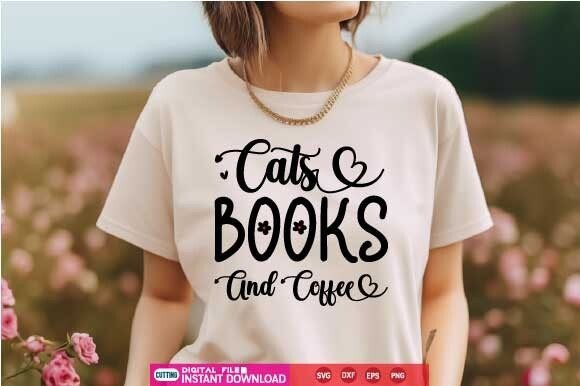
Opening the Cats Books and Coffee Svg file, my first impression is one of cozy, literate charm. The combination of themes—feline companionship, quiet reading, and the essential warm beverage—creates an instant, relatable mood. It’s a design that feels personal and welcoming, not generic. The layout typically suggests a balanced, illustrative approach, with elements that likely interlock in a way that’s visually engaging without being overly chaotic. The detail level in an SVG is key; it needs to translate into clean, definable stitch areas. This design’s personality is clearly geared toward a specific, affectionate audience: the bookworm, the cat lover, the quiet cafe enthusiast. It doesn’t scream; it invites. This tells me it naturally belongs to projects where that personal connection is paramount—a custom gift, a boutique apron, a heartfelt holiday present.
Where This Design Thrives in Real Projects
Thinking about my upcoming work queue, I can see several perfect applications. A custom embroidered tote bag for a library volunteer gift? Absolutely. The design’s thematic elements would stitch up beautifully on a canvas bag, creating a durable, usable piece of personal expression. For a small shop focusing on cozy home goods, this would be a standout on a pillow cover or a tea towel, adding value through its specific narrative. I’m also considering a client request for a personalized baby blanket for a literary-minded new parent; the gentle theme could be lovely there, scaled appropriately.
For apparel decorators and creative entrepreneurs, the versatility is clear. This isn’t just a t-shirt design—though it would work perfectly there—it’s a graphics file with broad application. Embroidered on a heavyweight sweatshirt, it becomes a statement of personal style. As a detailed patch, it could be applied to a cap or a jacket, offering flexibility. For my Etsy listings and craft fair products, such a design with a strong, relatable story enhances the handmade presentation and directly boosts buyer engagement. People buy the story as much as the product.
Navigating the Practicalities of Stitching
In real-life embroidery situations, the success of any design hinges on translation from digital file to physical stitches. With Cats Books and Coffee Svg, I’m thinking through the execution. On custom apparel like t-shirts or baby clothes, careful stabilizer choice is paramount, especially if the fabric is stretchy or thin. The likely illustrative nature means there may be areas of varying density. Satin stitches for lettering or outlines, fill stitches for larger shapes—all need to be tested. For a project like an embroidered apron or kitchen towel, where the fabric might be more textured, I’d want to ensure the stitch clarity holds up, particularly on smaller details like a cat’s whiskers or the text of a book spine.
Considerations for a Professional Finish
Where should we use this design carefully? First, on very small hoop sizes. If the design is reduced too much, those charming details could become a muddle of threads, losing clarity. Embroidering on dark fabric requires a thoughtful thread color palette to maintain contrast and visual pop. Curved surfaces, like caps, present a challenge for any design with multiple elements; the layout must be adaptable or might need slight simplification. And for products destined for frequent washing—like a child’s item or a kitchen linen—the stitch density and construction need to be robust to maintain that professional, lasting look that builds customer trust.
This design affects product value directly. A well-embroidered piece with such a specific, appealing theme feels more valuable than a generic graphic. It speaks to brand consistency for a maker focused on literary or cozy aesthetics. Its giftability is high—it feels like a thoughtful, recognized symbol for a certain person. For commercial embroidery projects or digital product sellers using it in mockups, its clear, relatable theme aids in professionalism and quick buyer recognition.
Embroidery Designer Notes: The Pre-Stitch Checklist
Before I load this embroidery file into my machine for a real client’s sweatshirt or a batch of boutique tote bags, my routine is practical and non-negotiable.
- Test on Scrap Fabric First: Always. Use the same fabric and stabilizer you plan for the final project. This reveals how the fill stitches behave, whether small details like the coffee cup handle stitch cleanly, and the true thread consumption.
- Check Thread Color Contrast: Run tests on both light and dark background scraps. The mood of the design can shift dramatically with color choices.
- Review the Layout for Your Hoop Size: Confirm the design dimensions work for your intended hoop without needing excessive scaling. Distorting a balanced layout can harm its charm.
- Inspect Small Details: Look closely at any potential trouble spots in the SVG—tiny intersections, very thin lines. These might need slight adjustment to become robust satin or running stitches.
- Consider the Final Product Use: If it’s for a baby item, maybe soften the color palette. If for a kitchen towel, perhaps emphasize durability with tighter stitches.
- Verify Licensing for Your Purpose: The product description mentions its possible uses broadly. Before selling finished items or commercial embroidery services using this design, I must personally confirm the specific license terms for commercial use. This is a critical step for any craft business or digital product seller.
The Bottom Line for Makers and Entrepreneurs
Cats Books and Coffee Svg presents a strong, mood-driven graphic that, with careful embroidery execution, can become a standout in a product line or a deeply appreciated custom gift. Its appeal is niche but passionate, which is often more valuable than a broad, vague design. For handmade shop owners, it offers a ready-made story to tell in product listings. For apparel decorators, it provides a theme that can be personalized through fabric and thread color choices. The key, as always, is treating the digital file as a blueprint, not a guarantee. Our skill as makers is in translating that blueprint into a tactile, beautiful finished product that feels both expertly made and personally meaningful. This design supports that goal wonderfully, provided we bring our practical embroidery knowledge to the table—right alongside the cats, the books, and the coffee.