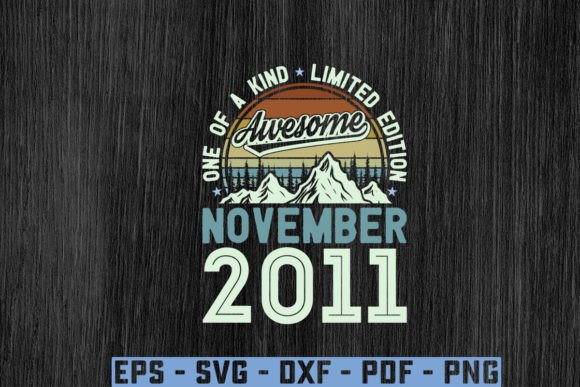
Vintage Birthday Graphics for Editorial & T-Shirt Designs
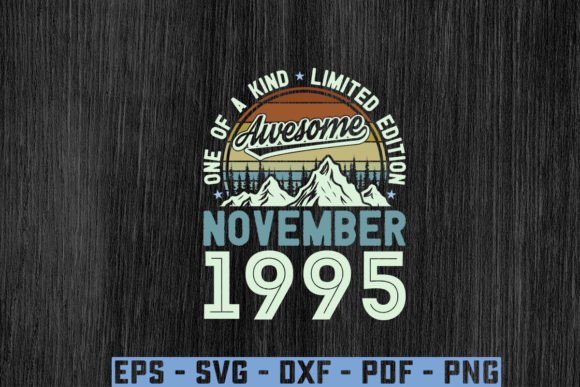
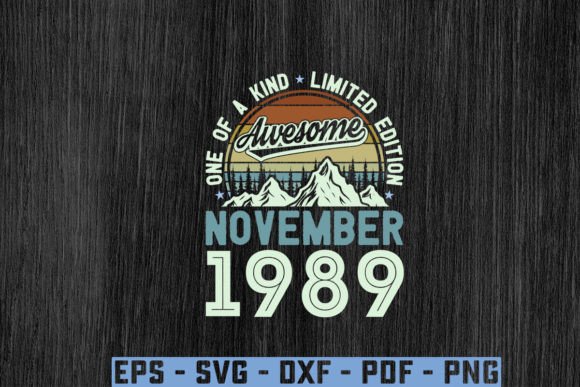
In my work as a blog designer, the first thing I assess is a graphic’s editorial mood. When I unzipped the Awesome Since November 1989 Birthday Svg, I immediately felt that specific blend of vintage charm and playful celebration. This isn’t a sterile, modern minimalist graphic; it carries a distinct retro personality. It naturally supports content niches around birthdays, nostalgia, personal celebration, lifestyle blogging, and of course, apparel-focused publishing like T-shirt design shops or affiliate reviews. The ‘Awesome Since 1989’ framework gives it a built-in storytelling angle, perfect for content targeting a particular demographic or celebrating personal milestones.
Building Reader Trust Through Polished Visuals
A key part of digital publishing is using visuals that feel intentional and high-quality. A well-executed SVG like this signals to readers that you’ve invested in your content’s presentation. It’s not a slapped-together screenshot. For a blogger writing a post about “1989-themed birthday party ideas” or an affiliate marketer reviewing vintage-style apparel, this graphic provides a cornerstone visual element that makes the entire article or landing page look more credible. When readers see consistent, professional-looking blog graphics, their trust in your authority increases. This asset lends itself to that polished feel.
From Blog Banners to Pinterest Pins: Real Publishing Uses
Here’s how I’d deploy this graphic asset in a real publishing workflow. First, I’d use it to create a strong website header or hero image for a dedicated blog post or category page about vintage birthday themes. Its clear, bold statement creates an immediate visual hierarchy. For Pinterest pins, which rely on vertical, eye-catching imagery, this design can be the central art for a pin titled “Awesome Since 1989 Birthday Printables.” It’s perfect for article thumbnails in a blog sidebar or on a homepage, driving clicks because it’s more distinctive than a generic stock photo.
Beyond the blog, it integrates seamlessly into downloadable resources. It can become the cover art for a digital guide like “Planning a Retro Birthday Party,” or a lead magnet worksheet. For newsletter creators, it’s an excellent graphic for a special edition email celebrating a subscriber milestone. As an affiliate marketing visual, it can be used in content promoting vintage birthday T-shirts, making the affiliate link context feel more native and visually supported.
Where This Vintage Design Asset Performs Best
This graphic excels in certain editorial contexts. Its bold, declarative style is ideal for:
- Hero images and blog featured graphics that need to set the tone immediately.
- Pinterest graphics and other social media visuals where a single, clear concept wins.
- Category page visuals for a blog section on birthdays, nostalgia, or apparel design.
- Content upgrades and downloadable printables, adding a branded, artistic touch.
- Newsletter headers for seasonal or themed campaigns.
- Digital product covers, like eBooks or media kits for creative entrepreneurs.
Navigating Potential Limitations for Professional Layouts
Like any graphic design asset, it should be applied thoughtfully. I’d be cautious using it in a few scenarios. On small mobile thumbnails, the detailed vintage elements might become indistinct. Against low-contrast backgrounds, its impact could fade. It may feel mismatched on very text-heavy blog images where the graphic needs to be a subtle accent. For serious, corporate content niches—like financial advising or legal blogs—the playful, vintage mood would likely feel off-brand. Websites with an ultra-minimal visual system might find it too decorative.
Supporting Content Performance & Brand Identity
The practical value of a solid SVG file in publishing is its versatility in supporting key performance metrics. The Awesome Since November 1989 Birthday Svg can contribute to a stronger first impression, reducing bounce rates by capturing attention. It creates a clearer visual hierarchy on a page, guiding the reader’s eye. When used in clickable elements like featured post images or ad graphics, it offers better click-through potential due to its unique style. For small business branding, especially in the creative or lifestyle space, using consistent assets like this across your blog, social media, and digital products builds a more cohesive and recognizable visual identity.
Essential Publisher Notes Before You Hit Publish
Before I slot this into any live content, I run a few practical checks. Always test it on desktop and mobile screens to ensure readability. Preview it as a tiny thumbnail—does the core message ‘Awesome Since 1989’ still read? Drop it into a real blog layout dummy with your headline text overlayed. Check the contrast; sometimes a subtle background tint is needed for readability. I also test its compatibility with different font styles: how does it look beside a clean sans-serif font versus a playful script font? This informs my typography choices for the surrounding content.
For web performance, confirm the final exported image file size and compress images properly. Most importantly, for any monetized website—affiliate pages, paid guides, or ad-supported blogs—you must confirm commercial licensing before use. As this is a digital download intended for products like T-shirts, ensure your use case falls under the license provided. This due diligence protects your business and maintains editorial quality.
Final Thoughts on This Vintage Birthday Graphic
From the perspective of a digital publisher, the Awesome Since November 1989 Birthday Svg is more than just a T-shirt design. It’s a versatile design asset that can elevate a range of content publishing projects. Its vintage, celebratory mood injects personality into otherwise flat digital pages. By using it strategically—in blog graphics, downloadable resources, and social media presentation—you can create content that not only communicates information but also builds a stronger, more visually engaging brand experience for your readers, followers, and customers.